Italy's student housing market 2026: trends, data, and forecasts
Italy's student housing market is undergoing a major shake-up. With demand skyrocketing, supply falling short, and institutional investors moving in fast, the landscape is changing. Here is your complete 2026 market analysis.
The main points:
With around 900,000 out-of-town students and public housing covering less than 4% of the demand (compared to 18-20% across Europe), the private market absorbs almost everything, keeping rents under pressure—especially in Milano, Bologna, and Firenze. Institutional investors and PBSA projects are on the rise, but the best opportunities for private owners lie in mid-sized cities like Modena, Reggio Emilia, Brescia, Verona, and Trento, where supply and demand are much better balanced.

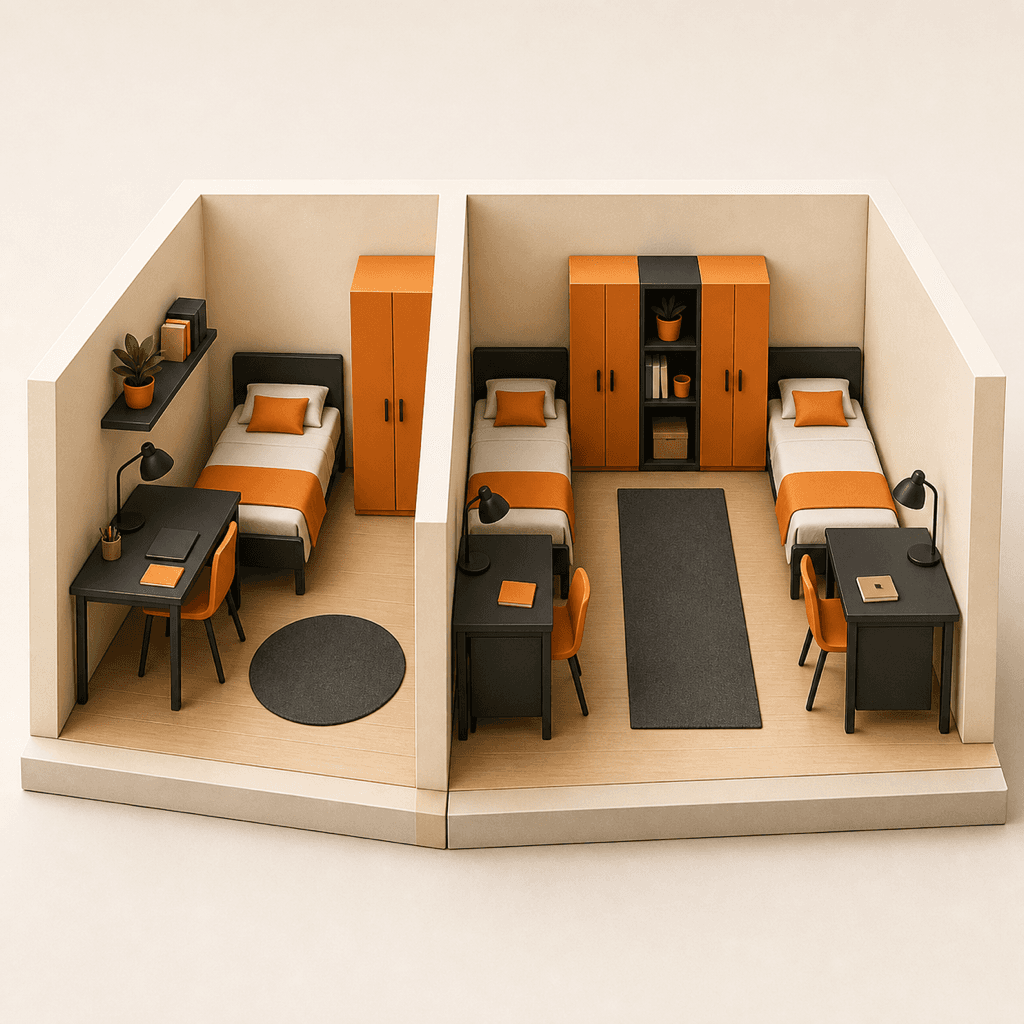
Illustration generated with AI
For illustrative purposes only; not a specific property.
Italian Student Housing Market 2026: The Complete Analysis
Student housing in Italy is one of Europe's most dynamic yet underdeveloped real estate segments. The gap between demand and organized supply is massive, institutional investor interest is booming, and Italian university towns are undergoing major transformations. Here is the complete market analysis for 2026.
The Core Numbers
Italy has about 1.8 million enrolled university students, and nearly 900,000 of them move away from home—far from their hometowns. This group represents the potential demand for student housing in the country.
Faced with this demand, organized public housing is dramatically short. Beds in public university residences cover less than 4% of the total need—one of the lowest rates in Europe, where the average sits around 18-20%. The gap is structural and hard to close in the short term with public funds alone.
This mismatch has two direct consequences. First, demand is almost entirely absorbed by the private market—individual landlords, small investors, and specialized operators. Second, student rent prices in major university cities keep climbing, driven by demand that structurally outstrips supply.
Rent Trends: What Has Happened Lately
Student rents in Italy’s main university cities have surged over the last three years. Milano, Bologna, and Firenze saw the sharpest hikes, with average single room rates in university areas jumping 15-25% between 2022 and 2025.
The reasons are clear. The post-pandemic rebound brought students back to physical lecture halls and back to the cities. General inflation pushed landlords to adjust prices. The lack of new supply kept the pressure high.
In 2026, price pressure remains high in metropolitan hubs, with minor signs of stabilization in mid-sized cities where supply is more aligned with demand.
The Hot Spots of 2026
Not all Italian university cities share the same story. Here is a snapshot of the most key markets.
Milano remains the most expensive and competitive market. Single rooms go for between €700 and €950 in the main university districts. Demand structurally outpaces supply and prices continue to rise. Institutional investor interest here is the highest in Italy.
Bologna is the tightest market relative to its size. With 80,000 students in a city of 400,000 residents, the student presence is massive. Rents have jumped significantly in recent years, and the housing shortage is structural.
Torino is entering an interesting phase. Prices are more affordable than in Milano or Bologna, but demand is growing, partly due to the rising global appeal of the Politecnico di Torino.
Firenze is a unique case where student demand clashes with tourist rentals, making affordable student housing incredibly hard to find. It is one of the most critical situations in Italy.
Roma has a huge but fragmented market. Areas close to the major campuses (Sapienza, Tor Vergata, Roma Tre) run on their own dynamics, with heavy price pressure near the city center.
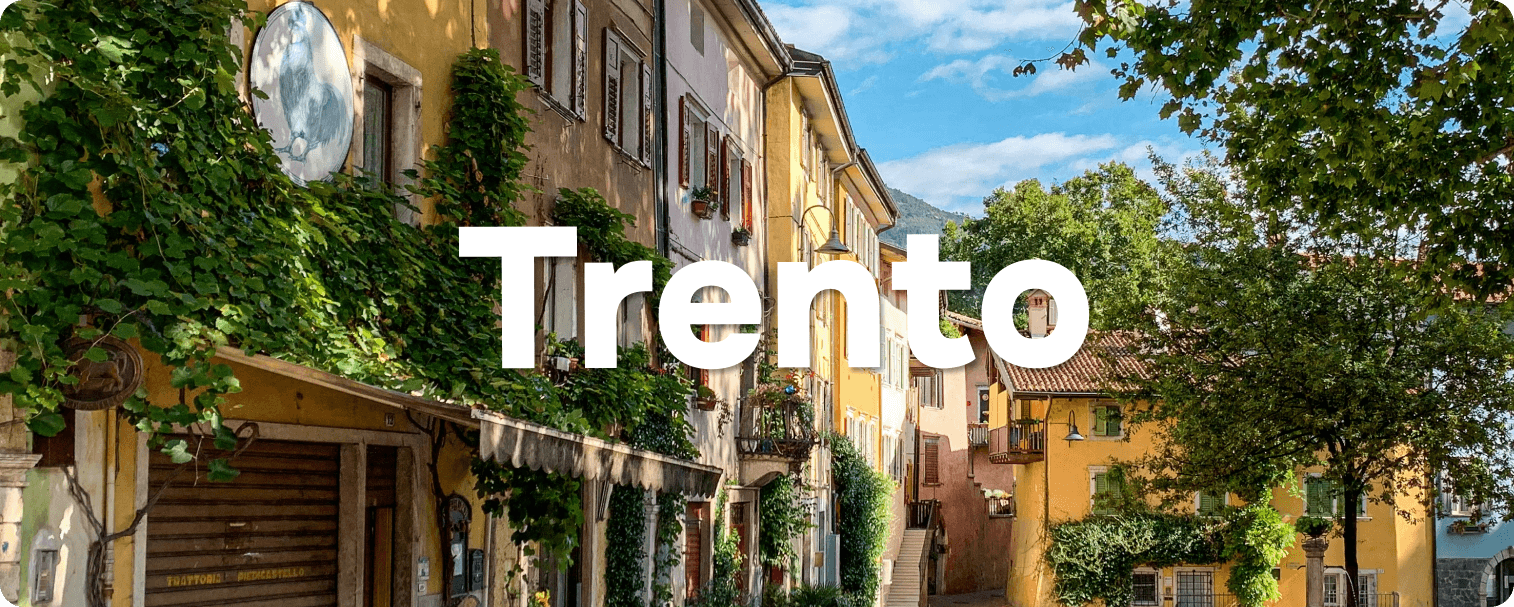
Modena, Reggio Emilia, Brescia, Verona, Trento are mid-sized markets where the demand-supply balance is easier to manage, prices stay reasonable, and opportunities for private landlords are still very solid.
Institutional Investor Appetite
One of the biggest shifts in the Italian market lately is the arrival of institutional investors in the student housing sector. Real estate funds, REITs, and specialized international players have started looking closely at Italy—a market historically dominated by individual mom-and-pop landlords.
This interest translates into PBSA (Purpose-Built Student Accommodation) developments in major university hubs. Milano, Bologna, and Roma are currently seeing the most significant projects under development or in planning.
PBSA residences offer extra perks compared to standard private rent—like gyms, shared study spaces, social areas, and reception services—but they usually charge well above private market rates.
The PNRR and Market Impact
The National Recovery and Resilience Plan (PNRR) has allocated significant funding to increase public university housing in Italy. The official goal is to add over 60,000 new student beds by 2026.
The real impact will depend on how fast these projects are built—historically not Italy's strongest suit when it comes to public spending. A major boost in public supply could ease the pressure on the private market in cities where projects actually get delivered.
Key Trends for the Next Few Years
Looking beyond 2026, a few structural trends are here to stay.
Demand will stay high. The number of university students in Italy is stable, showing slight growth. The international student trend—choosing universities away from home or abroad—shows no signs of stopping. Structural demand for student housing will not drop in the medium term.
Private supply is going professional. The student rental market is shifting away from amateur management by individual owners toward professional models, specialized operators, management platforms, and university partnerships. This shift elevates housing quality and brings more price stability.
Quality is a competitive edge. Students—especially international ones and those from middle-to-high-income families—are willing to pay a premium for better rooms. The premium student housing segment is growing in every major city.
Sustainability matters. Properties with good energy ratings, sustainable materials, and green features are increasingly in demand—driven by students and upcoming EU energy efficiency regulations.
Opportunities for Private Landlords in 2026
Despite the arrival of institutional players, the private student rental market remains the dominant force and holds great potential for individual landlords. Large PBSA developments cannot cover structural demand in the short term, leaving the private market as the main hub for years to come.
The best opportunities lie in mid-sized cities where institutional interest is still low, but university demand is strong and growing. Places like Modena, Reggio Emilia, Brescia, Verona, Trento, and Padova offer solid foundations with less competition than the big metropolises.
How Stanza Semplice Navigates the Market
Stanza Semplice operates in the private student housing market with a model built on quality, transparency, and simplicity. We believe quality private student accommodation still has major room to grow in Italian university cities—and we are building our offer to lead that growth.
Are you an investor or a landlord looking to make the most of the housing market in your city? Get in touch. We can share our local market insights and help you make smart, profitable decisions.
Our tip
“
Don't get blinded by the big cities: mid-sized markets are where private landlords find the best margins today, with less institutional competition and solid demand. Professional management and quality are the real game-changers: if you offer well-kept, well-run rooms, you will always rent them out—regardless of market cycles.